





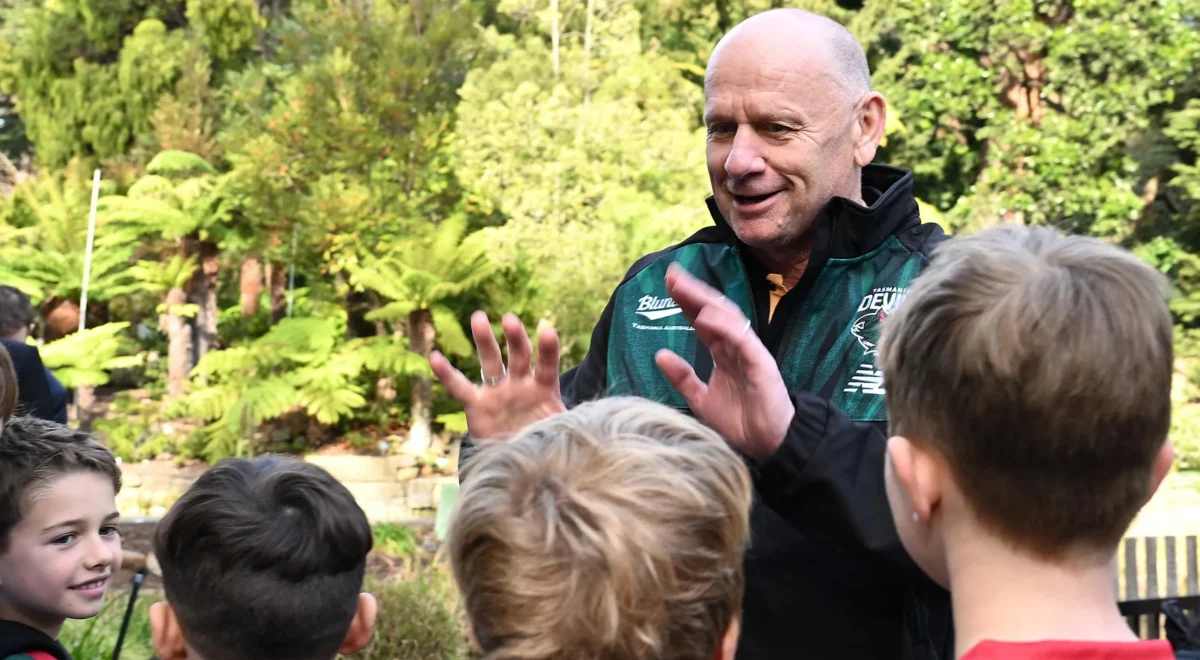
Ken Hinkley appeared completely at home during his recent visit to the Royal Tasmanian Botanical Gardens, engaging with journalists and showcasing his local flair. He was already using phrases like « Je suis un entraîneur de football » and « Je ne sais pas grand-chose d’autre. » embodying a sense of Tasmanian identity. His exit from Port Adelaide was meticulously orchestrated and corporate, but he seemed eager to dive back into the heart of coaching.
Understanding Hinkley’s Appointment
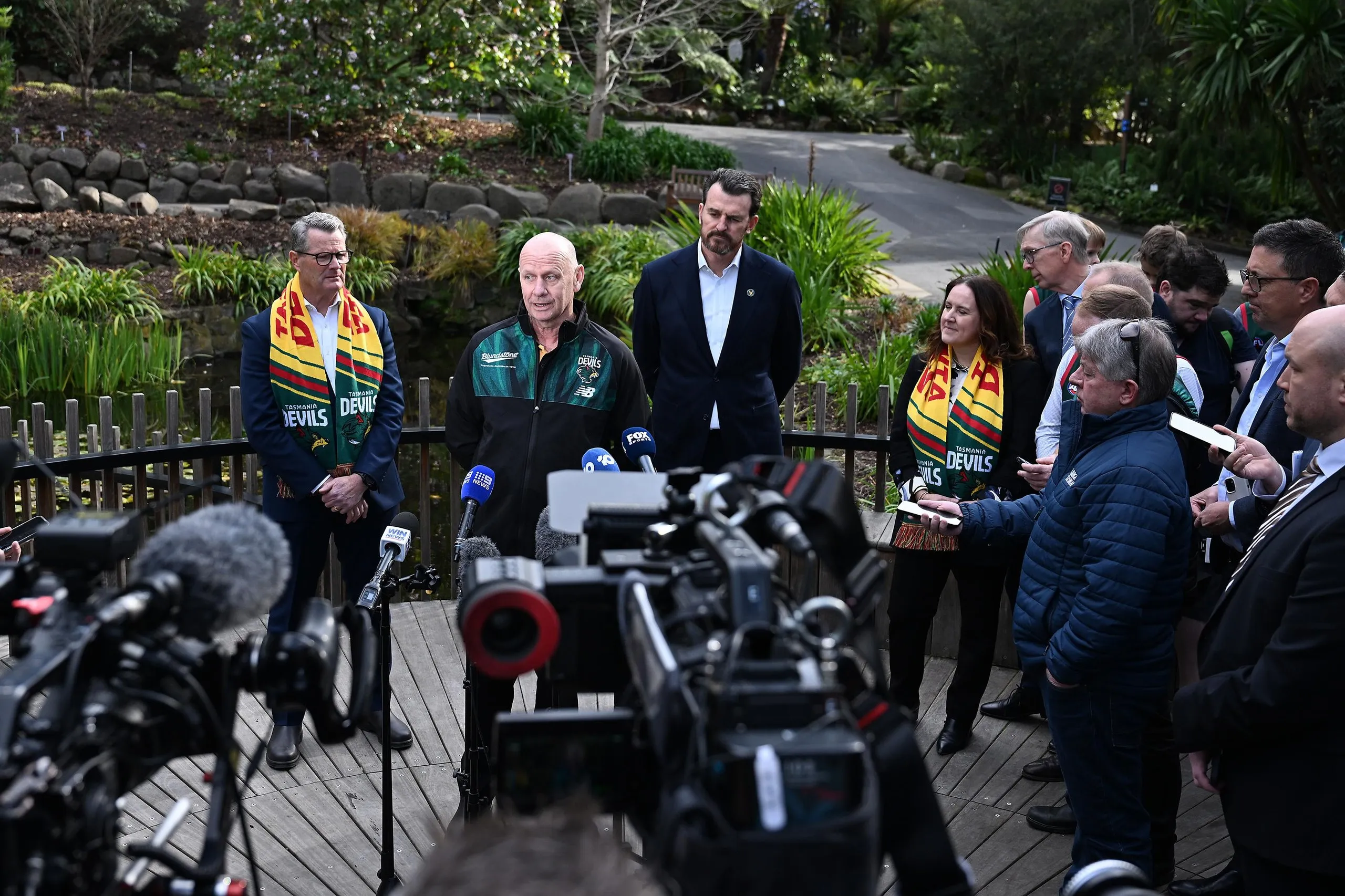
To comprehend Hinkley’s appointment as the inaugural coach of Tasmania, it is essential to consider those who were overlooked. Nathan Buckley, an early frontrunner, perhaps fell short in terms of charm and salesmanship, as noted by Devils CEO Brendon Gale, who emphasized the importance of “spruiking the gospel.” Meanwhile, John Longmire, who has led a team to five grand finals, enjoys a comfortable position at the Sydney Swans, appearing more relaxed than he has in years. Both Buckley and Hinkley seemed more willing to uproot their lives for the chance to establish a new team in Tasmania.
Hinkley’s Coaching Legacy
This week’s announcement felt overwhelmingly supportive. Numerous voices hailed Hinkley as a father figure and master connector, attributes that are hard to dispute. Nonetheless, his coaching track record has sparked debate over the years, not only among Port supporters. When he took the helm at the club, it was struggling, having won just eight of its last 44 matches. Under his leadership, the team regained relevance, winning nearly 60% of their games, and he managed to elevate many players’ perceptions of their abilities. However, he never quite reached the ultimate pinnacle, often hindered by his own rigidity and external factors. His teams frequently fell short due to a lack of luck, essential players, or a more adaptable game plan, often thwarted by well-coached rivals like Clarkson, Hardwick, or Beveridge.
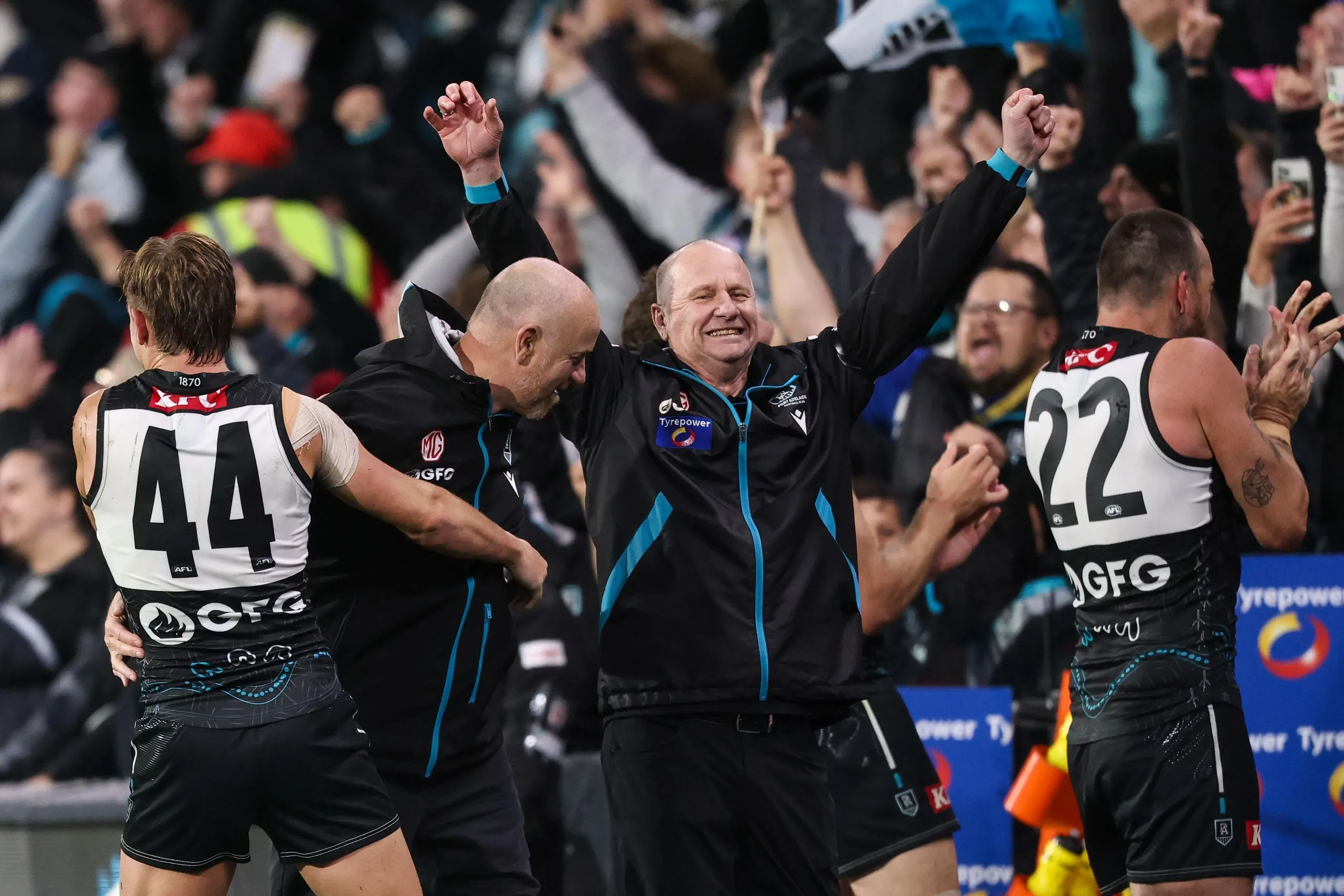
Hinkley was known as an adventurous footballer and epitomized the playing style of Malcolm Blight—embracing one’s instincts and talent over cautious play. This philosophy sometimes proved detrimental during critical matches, where the team’s emotional approach made them predictable. Their closest encounter with success came in a heart-wrenching, rain-soaked preliminary final loss to Richmond in 2020, and the following year, they faced a disastrous start against the Western Bulldogs, ultimately losing.
Despite these past challenges, Hinkley’s experiences do not disqualify him from the Tasmania coaching position. The role requires an individual capable of winning over the local community, something Hinkley accomplished in less than half an hour. It calls for someone who can instill a siege mentality—a quality the Gold Coast Suns have lacked. Moreover, it necessitates a coach who can connect with young players, identify their potential, nurture their growth, and retain them. Hinkley has proven to be a persuasive figure in this context, capable of selling a vision to athletes, managers, parents, and the broader community.
When Hinkley expressed his desire to become a coach to Blight, his mentor advised him to start with the weakest country team available, to test his true commitment. This new role is a significant leap from that initial step. He will benefit from generous draft concessions and will be coaching in a state where football holds immense significance. Yet, the challenges are substantial. The training and administrative facilities will not be ready by the 2028 preseason, and the political landscape in Tasmania remains uncertain and complex. Key issues regarding the stadium, its infrastructure, and the state’s economic conditions add layers of unpredictability.
Currently, the market for senior coaches presents numerous options. Three former premiership coaches are available, alongside Buckley, who has led his team to both a grand final and a preliminary final. A strong pool of assistants is also in contention for various roles, including James Hird, who stands apart from the rest. Each club has distinct needs; for instance, Essendon seeks someone familiar with its culture, while Carlton is determined to learn from past mistakes. Richmond and North Melbourne may eventually look for someone who can build on their rebuilding efforts.
Tasmania, however, seeks something different. “I’m a football coach,” Hinkley remarked to Gale during their initial meeting. “I don’t know too much else.” This statement undersells his potential, a fact both men recognize. This position requires far more than just being a football coach, which is precisely why Hinkley is ideally suited for the role.